


Street Gangs & Moral Development Training
Street Gangs & Moral Development Training
-
A help to those who need it
Children move through levels of morality as they develop and mature. It is said that up to age two, infants
have no consciousness of rules, and their activities are not governed by anything but their own motor
abilities. They have no grasp of social cooperation, and everything is viewed from their own desires and
dislikes.
Studies have shown the process of moral development, patterns of children’s reasoning moral decisions are stages individuals go through in achieving morality. As a result, education works best when aimed at the appropriate level of individuals.
There are two main developmental stages of moral reasoning, that children experience but the age in which the child may achieve each stage varies.After the age of two, up to the age of seven, children are in the first stage of moral development, where they are very rigid in their beliefs of moral concepts. This first stage called the “Morality of Constraint” . is based on the material result, independent of the intent behind it. Children have respect, where there is an older child or adult who has the control and the child cannot experience mutuality in the relationship. The child respects the senior person and therefore is more inclined to obey. Moral development and cognitive growth are linked and make better moral judgements when they are cognitively mature enough to see things from more than one perspective.
As children develop relationships with their peers, they meet as equals, which encourages the stage after heteronomy – that of autonomy. The equality provides the social environment for them to work cooperatively together, changing rules through mutual consent.
As children mature and become more cognitively advanced, they come into contact with a wide range of view points in their day to day activities, such as school, neighbours, and friends. The child’s ability to cooperate increases as rules are seen in the concept of both practice and theory, and as they mature, children have life experiences which help them determine their own moral standard. They are no longer egotistical and can consider more than one viewpoint to a situation, which enables them to make moral judgements based on the intent behind the behaviour. The rules provide structure for cooperation, there is an understanding that rules and regulations are required to maintain order within communities. Children at this age believe that punishment for breaking rules should be fair and restore the social bond, and it should relate to the offence committed.
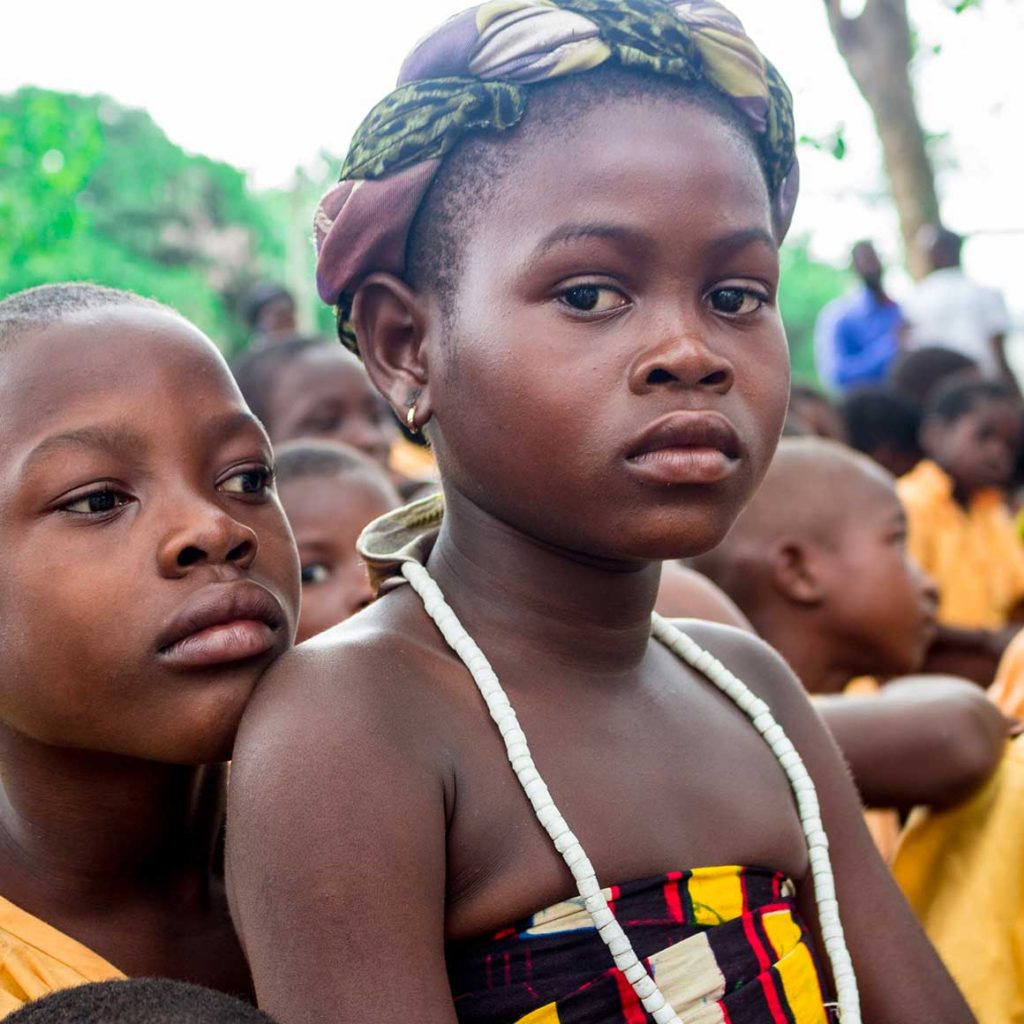

Two stages of moral development include:
Morality of Constraint – Stage I
· Child views an act as being right or wrong with no room for change, and believes others will see it the same way. They cannot put themselves in others shoes.
· Child judges behaviour in terms of physical consequences, not the intent behind the behaviour.
· Child obeys the rules because they have been set by adults and as a result are sacred and unalterable.
· Due to the rules being sacred, child feels obliged to conform to adult rules and standards.
· Child believes that punishment defines the wrongness of the act – an act is bad if it elicits punishment
· Child confuses moral law with physical law, and believes that any accident or misfortune that happens after a wrongdoing is a punishment willed by God
Morality of Cooperation – Stage II
· Child can see from others point of view
· Child judges acts by intentions, not consequences
· Child recognises that rules are not absolute and can be changed, even by themselves
· Child learns to recognise that their own values and abilities count, and learn to be realistic when judging others
· Child believe punishment should show the culprit what is right and wrong in order to help them learn better behaviour in the future.
· Child does not confuse natural misfortune with punishment.
Bring A Smile With Jericho
Recent Comments